by John Eger
February 10, 2025
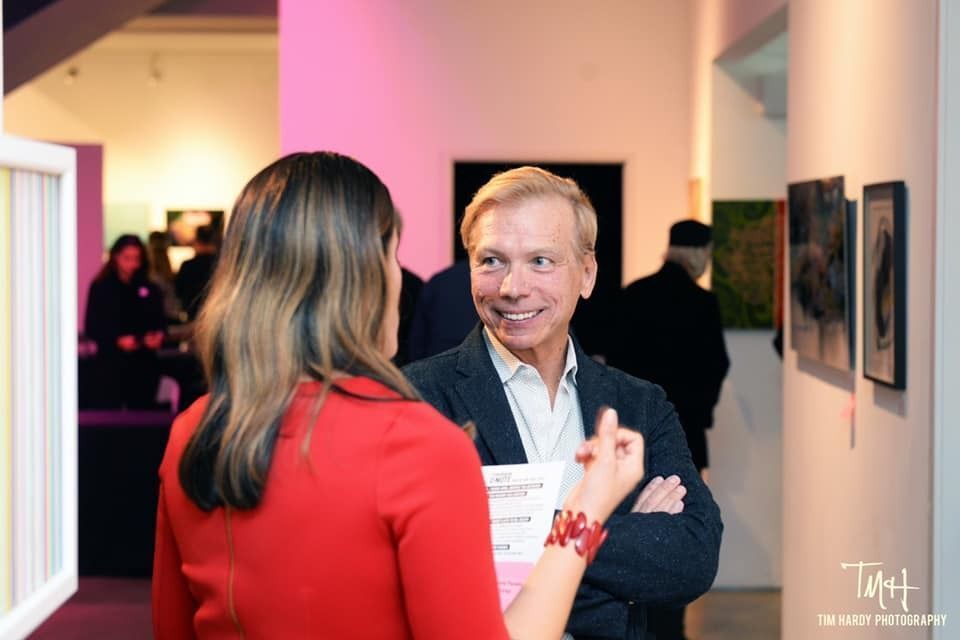
Jonathon Glus, Director of San Diego’s Department of Cultural Affairs wants the City “to capture the power of our many traditions, ecologies, and creative capital to propel our city and transborder region forward as a more equitable place of inspiration and prosperity. “
City planners called: this effort the future of San Diego …” where art and culture advance the dialogue, development and diversity of our city. Residents of San Diego, the greater metropolitan area, and the multiple nations that call this region home are encouraged to lend your voices and vision as artists, culture workers, and creatives defining our future as a dynamic global city.”
This isn’t just about the arts. This is about Urban Policy and everyone -business leaders, school administrators, other non-profit organizations , must be involved.
People need to see and touch the future, interact with the future, not just read about how good life and work will be. Everyone needs to be part of the effort to help their citizens understand how critical technology, the Internet of Everything (IoT ) is to creativity and innovation, wealth and well-being.
What makes people creative and innovative is still being debated. Clearly our schools and the educational curriculum must change. But what too, about the communities where young people spend more than half their lives and where their families, friends and fellow citizens live and work. Communities, indeed whole cities, need to reinvent themselves.
The reasons for San Diego and all those cities anxious to become a creative city vary but in most cases they are designed to nurture, retain and attract the talented 21st-century workforce so vital to success and survival in the global knowledge economy.

“Manufacturing and service provision from one nation are finding the lowest cost in another and seeking distribution throughout the world market. This is what author and columnist for The New York Times, Thomas Friedman, means when he says, “The World is Flat.” Every nation, every community, every person is competing with every other. Indeed, all the economies in the world are now knitted together and competing for the new knowledge jobs, the dollars they offer and the enhanced quality of life such jobs create.”
Not surprisingly, a whole new economy based not on manufacturing or even service provision, but on knowledge or more precisely creativity and innovation is slowly taking shape.”
IoT where everything is connected to almost every other thing is providing cities and their elected officials with the tools to ensure safer cities, better transportation, health care, energy and water conservation, clean air, and environmental services. Together with what is called Big Data analysis, it can serve to make the city government more transparent –not less –and encourage individuals and companies to develop innovative products and services; and importantly, engage the general public and save taxpayer money serving them better, faster and more cheaply. Now, Artificial Intelligence has greatly exacerbated the urgency for reform.
According to the New Cities Foundation, an independent non-profit founded in 2010 with offices in Geneva and Paris: ” Over the next decade, some $ 250 billion will be invested in the creation of new cultural districts around the globe” … “success is not just getting an arts building or series of buildings out of the ground, it is about ensuring that they are viable and play a central role in their communities.”