
by John M. Eger
September 27, 2025
At a time when democratic institutions face deep scrutiny and truth itself is contested, libraries remain one of the few trusted, nonpartisan spaces where all voices can be heard and knowledge is available to all. Yet they continuously seem to be under attack,and as most of you know, at the direction of Secretary of War, Pete Hegseth, Maya Angelou’s I Know Why the Caged Bird Sings was reportedly among 381 titles removed from the U.S. Naval Academy library.
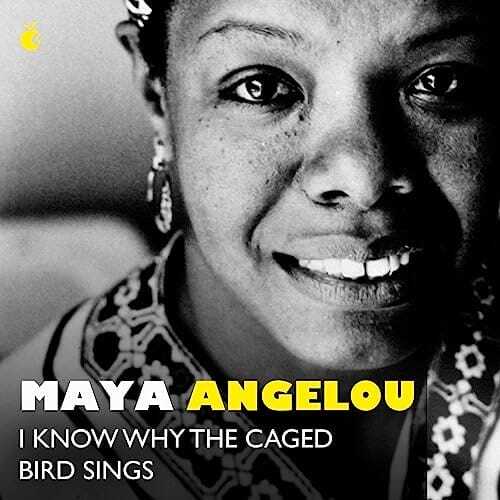
According to the American Library Association some of the books banned or challenged are: Lord of the Flies’ by William Golding, The Catcher in the Rye’ by J.D. Salinger, The Odyssey’ by Homer, Brave New World by Aldous Huxley, Mark Twain’s The Adventures of Huckleberry Finn, The Bluest Eye by Toni Morrison, Of Mice and Men’ by John Steinbeck, Blubber’ by Judy Blume, The Handmaid’s Tale’ by Margaret Atwood.
What’s being targeted? Some of the most influential works of the past century.
According to PEN America, over 10,000 book bans have occurred in the US just in the past two years, impacting more than 4,000 unique titles. Nearly half of these bans took place in Florida, with another 36% in Iowa and Texas. Some speculate the removal was due to references to the Holocaust. Many simply because of their honest, often uncomfortable explorations of race, identity, trauma, and humanity.
To ban such books—works of truth, art, and lived experience—is not an act of protection. It is an act of fear. It denies readers access to the literature that builds empathy, challenges assumptions, and deepens understanding.
That’s not freedom. That’s censorship masquerading as moral guardianship.
The Threat to Libraries—and to Democracy. Across the country, libraries—long considered sanctuaries of free expression and civic learning—are under siege. The reasons given for book removals vary: sexual content, racial history, gender identity, or depictions of violence. But the outcome is the same: the narrowing of perspective and the suppression of thought.
Yet there is hope.
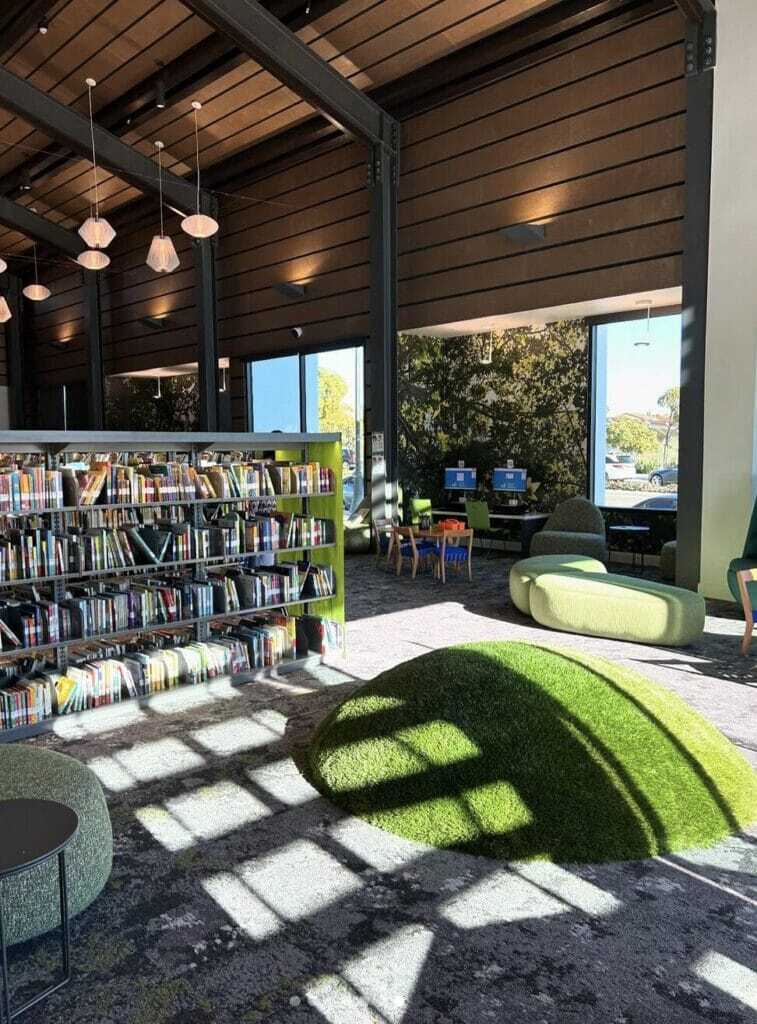
In cities like San Diego, we see an alternative path. The opening of San Diego’s 36th library branch in Pacific Highlands Ranch, alongside the continued success of the downtown central library, proves that the public still values open, inclusive spaces for learning. As Mayor Todd Gloria said at the opening, “It’s the 21st century. Why do we even need libraries? … Look at this crowd.”
San Diego is a leader in this effort; indeed, they have gone so far as to encourage young people to go to a library and ask for a banned book to read. Their website is remarkable. It reads, “Can you believe that some of America’s youth are denied the right to read? Yeah, we couldn’t either! So, guess what we are going to do about it? We believe in your right to read what you want, discover yourself, and form your own opinions.”
Libraries are critical pieces of neighborhood infrastructure. Indeed, libraries today are more than book depositories. They are civic institutions designed for the future—sustainable, connected, resilient. San Diego’s newest branch is all-electric, includes EV charging stations, and reflects not just the future of libraries, but the future of cities themselves.
Once imagined as quiet, paper-filled reading rooms, modern libraries are now vibrant public hubs of creativity and collaboration. They offer more than books: digital archives, audio-visual studios, online learning platforms, career support, and workshops on everything from coding to entrepreneurship. At the center of this evolution are librarians. In an age where misinformation spreads faster than truth, librarians are essential guides, helping people navigate complexity, think critically, and find trustworthy sources.
As one observer aptly noted: “Using the internet to answer a question is like trying to drink from a fire hydrant. Librarians turn that fire hydrant into a drinking fountain.”
As schools adapt to teach 21st-century skills like collaboration, creativity, and critical thinking, we must remember: most learning in life happens outside formal classrooms. Libraries are the connective tissue between school and society—bridges between knowledge and understanding.
They provide lifelong learning resources—resume-building workshops, tech training, small business support, and even nature passes. In Colorado, libraries provide access to state parks. In other regions, mobile branches meet commuters at train stations and bus stops. Arapahoe Library District’s “Lunch and Learn” programs explore emerging tech like Google Glass and 3D printing. These aren’t relics of the past. They are blueprints for an inclusive future.