La Jolla Music Society’s Summer Fest is bringing Classical Music to new heights at the Conrad Prebys Performing Arts Center in La Jolla from now until August 23rd.
By Cory-LaNeave Jones
July 29, 2025
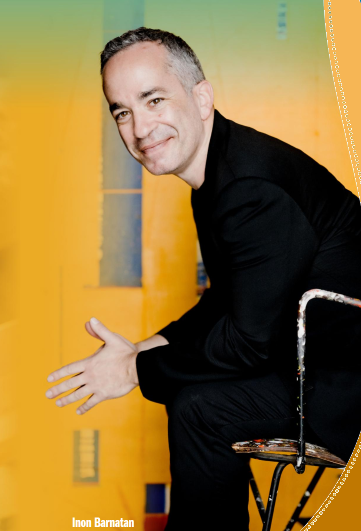
With 20 music concert events scheduled to bask in the summer glow of La Jolla Cove, the La Jolla Music Society’s Summer Fest is set to shine with a star-studded listing of programs. This year, Inon Barnatan, a world famous pianist has lead the creation of this stellar series with over 80 leading classical musicians. The series runs from Wednesdays through Sundays for five weeks along with Artist Lounges on Monday afternoons and coaching workshops and encounters with fellowship artists on Tuesdays.
The La Jolla Music Society has a long history, dating back 57 years, with the Summer Fest program running for 39 years. The festival’s focus on engaging new and diverse audiences, as well as its role in shaping San Diego’s cultural identity, suggests it has the potential to significantly impact the local arts scene and community.
I spoke with the Society’s Artistic Director, Leah Rosenthal, about the programming this summer. This year, they have created a “Synergy” Series which combines classical music with other art forms like jazz, multimedia, and stage design. They have placed a strong emphasis on creating an intimate, welcoming, and interactive experience for both the performers and audience. The festival is working to become seen as an important part of San Diego’s growing cultural landscape and identity.
She took me around the facilities and as we walked into The Baker-Baum Concert Hall, which seats about 500, she said “This is, this beautiful warm hug that you actually get to hear these pieces performed in this type of intimate space.” It is, in fact, a brilliantly bright, and welcoming space that is relatively new and still has that new car smell.
I asked her to explain something basic about chamber music for those less familiar with this type of arrangements.
Cory Jones:
I’m just going to pause and I want to make sure I understand. I’ve heard the term chamber music forever. I don’t have a full definition in my head. I mean chamber could be room, but is it, I’m thinking it’s smaller than a full symphony.
Leah Rosenthal:
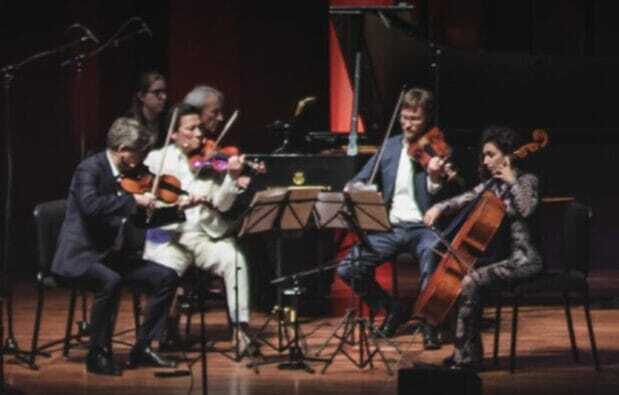
Exactly. So it really just means you can have a chamber orchestra that maybe has 35 players in it, max. But mostly chamber music is referring to string quartets, trios, sextets to octets usually being the biggest. So eight musicians on stage. And chamber music was developed by people wanting to play for their friends in smaller salon like settings. So chamber and just a small room. And that’s so perfect about The Baker-Baum (Concert Hall) is it is this beautiful warm hug that you actually get to hear these pieces performed in this type of intimate space. Now, yes, it’s bigger than a room, but there’s a lot of chamber music that’s being played in these big concert halls like Disney Hall and others around the world where seats 2000 people. And here you get to see it up close and personal. And chamber music is really challenging too because you can’t hide behind other voices. So let’s say you’re in an orchestra and you’ve got 15 violinists per part. Well here there’s maybe one or two of you, it’s this dialogue between the other musicians where it’s more than just playing the notes you’re observing when the other is coming in, are they slowing down? And so there’s this constant communication going on. You’re exposed because you can’t hide behind another part. A lot of times when musicians here, they may have never played with each before. They may have played the work but not together. And people can take different liberties and have different artistic ideas about how to play the piece and then you have to come together and make it work. So we’ve had some really interesting rehearsals when maybe some people don’t see eye to eye.
Cory Jones:
Yeah, that’s given me some perspective. I like that you said salon. “Salon.” And so it makes me think of the old 17th, 18th century era gatherings.
Leah Rosenthal:
A gathering small room with friends. And a lot of times these composers wrote these pieces for their friends to be played in a small group with their friends. And it wasn’t necessarily to be on the grand stage. They mostly were putting together big orchestras. And so then a lot of dedications you’ll see with some of these works are too, my good friend violin is. So-and and then it just kind of grew from that.
Cory Jones:
So being an engineer, when they made some founding music in the past, I assume they didn’t have amplification and mics and speakers. So was the need for more violins and other instruments to create a larger volume for the larger spaces or…
Leah Rosenthal:
I think it may have been just for the lush nature of the sound that they were trying to create. I don’t know. That’s a really more of the fullness.
Cory Jones:
Do you feel like there’s any particular piece this year that feels like a risk?
Leah Rosenthal:
Inon Barnatan is very conscientious and thoughtful about having people listen to new voices and new ideas throughout. And I think that could be considered a risk because that might scare some audience members. But what we’ve seen, we’ve had incredible ticket sales this year because they took a chance and they thought, oh my gosh, I didn’t know this composer. That was scary to me. And they realized, wow, I liked that. …
For example, Jörg Widmann, this 180 Beats Per Minute. And if I could tell you to go to a concert as someone that’s a little bit newer to this, buy a ticket for Wednesday, July 30th, because you will hear the Mendelssohn String Octet (in E-flat Major, Op. 20), which is the candy of chamber music, one of the most iconic played all the time, but for a reason. So it’s magnificent. Have I heard it 150 times? Yes. But it is still beautiful. And he’s paired that with this wild piece by Jörg Widmann, who is a fantastic living composer called A Hundred Eighty Beats Per Minute. And it is frenetic and beautiful in and of its own own way. And somehow hearing that before hearing the Mendelssohn, when Inon mentioned that he was looking at putting these two together, and then my colleague Grace and I listened to it, we’re like, oh my gosh, that just works.
…
Leah also commented that “we do have these performances in the Jai (another smaller more-jazzy feeling performance space at the Conrad Prebys Performing Arts Center), this one’s called New York Takeover where it’s all new voices. And so we do have programs that have just new music as well.”
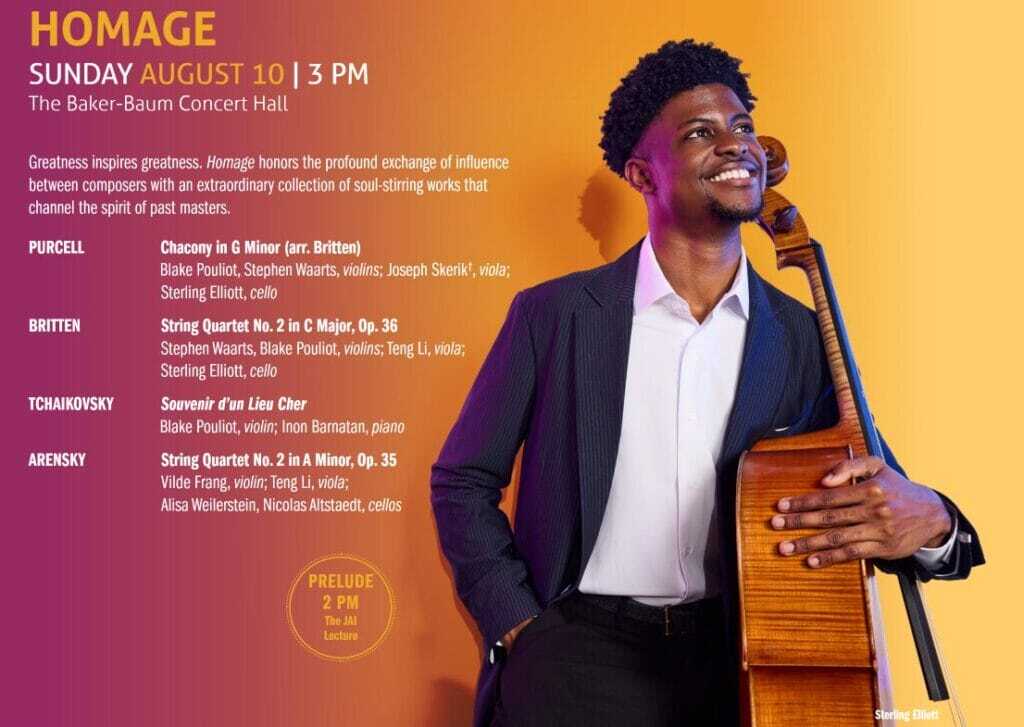
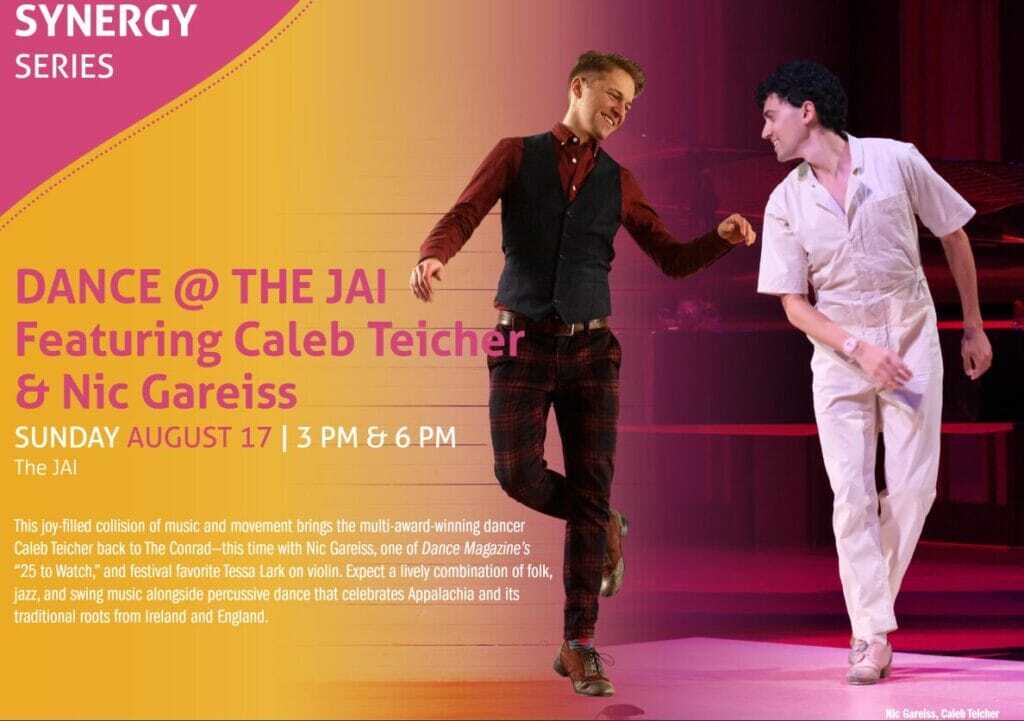
Please do check out all of the exciting events planned for this year’s Summer Fest with the La Jolla Music Society. It’s not all snooty overly pretentious people staring at you with mean-mugs on their faces, that’s just the look of people in search of musical perfection. If food is your thing, they are bringing in J. Kenji Lopez-Alt, a Food Network star, to prep some delicious food paired with some tastey morsels of Dvořák. If dance is your thing, check out the tap dance stars Caleb Teicher and Nic Gareiss. If you prefer real jazz fusion, check out Cécile McLorin Salvant exploring how to meld the flavors of Baroque with jazz and folk.
Go to theconrad.org to find tickets to one of these amazingly moving programs and stimulate your cranium this summer!