
Welcoming dual-language Indie-J-Pop and Jazz—Fusion Singer Songwriter, Mei Semones, to San Diego’s Quartyard on Wednesday, July 16
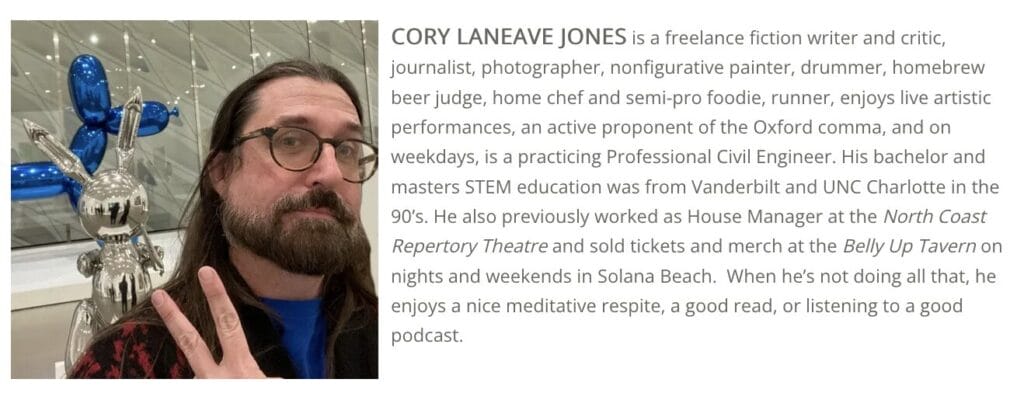
By Cory-LaNeave Jones
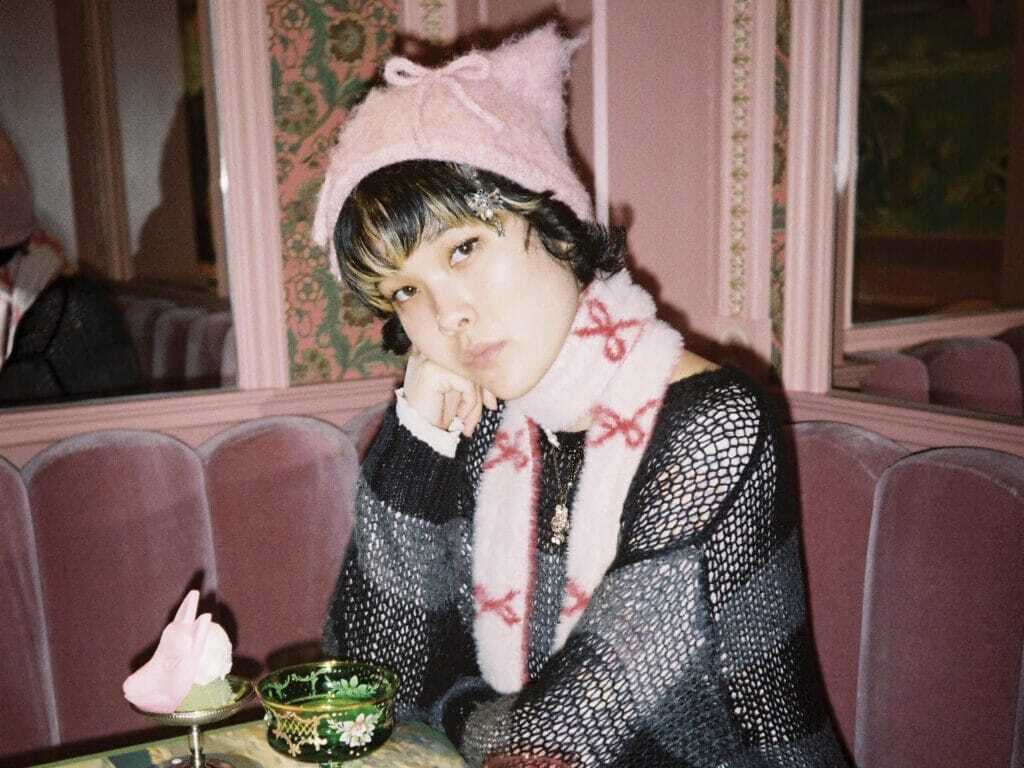
Mei Semones is a newbie on the jazz charts, but is sure to have a long-lasting career slinging out the tunes that commit your soul to the beats of the beatniks, the cool blue calm of Miles, the rhythms you’d expect over the streets of Rio, it’s that Bossa Nova Baby! (imagine Telly Savalas telling you that), and some American indie/grunge-influenced ambience. Mei mixes these influences up and yields gleeful songs inflected with creative jazzy lyricism.
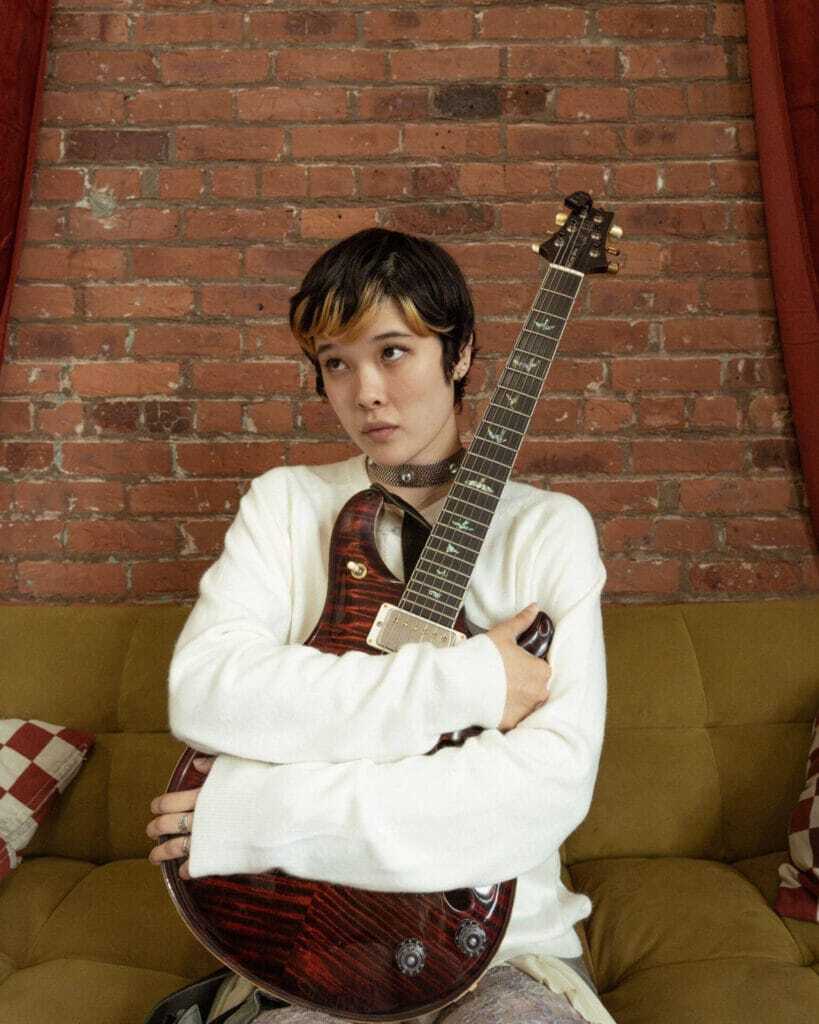
Originally from the Big Blue of Ann Arbor, Michigan, she moved to Beantown to study at Berklee College of Music before relocating to the gritty streets of Brooklyn where she has set out to make her mark. She released an EP named Kabutomushi in 2024. I Googled that for those of use that don’t speak Japanese and it is the rhinoceros beetle. If you said “euw,” you’re thinking about the right bug. At least it’s not a stink bug. The song takes listeners from waking up with cicada’s voices, bread and butter, to meeting the boy next door, walking to school and playing soccer. Grandma’s homemade Ohagi (sweet rice balls), to a fading memory of 6400 miles distance, and a belated phone call.
In her recent full album release, named Animaru (which means Animal), she discusses many of the animal characteristics of different people from her past and winds these memories up in a tight-knit box with transitions of tempo change and fun Bossa Nova that you can move your feet to, bob your head to, or just snap to (if you’re feeling really jazzy). Heck, don’t forget your turtle neck and French beret while your figuring out what to wear. You can be cool like that Puppet Band that used to hang out at Pee Wee’s Playhouse. I think all the animals could make up a cool Japanese/American Puppet Backup J-Jazz Band for Mei and that’d be pretty groovy.

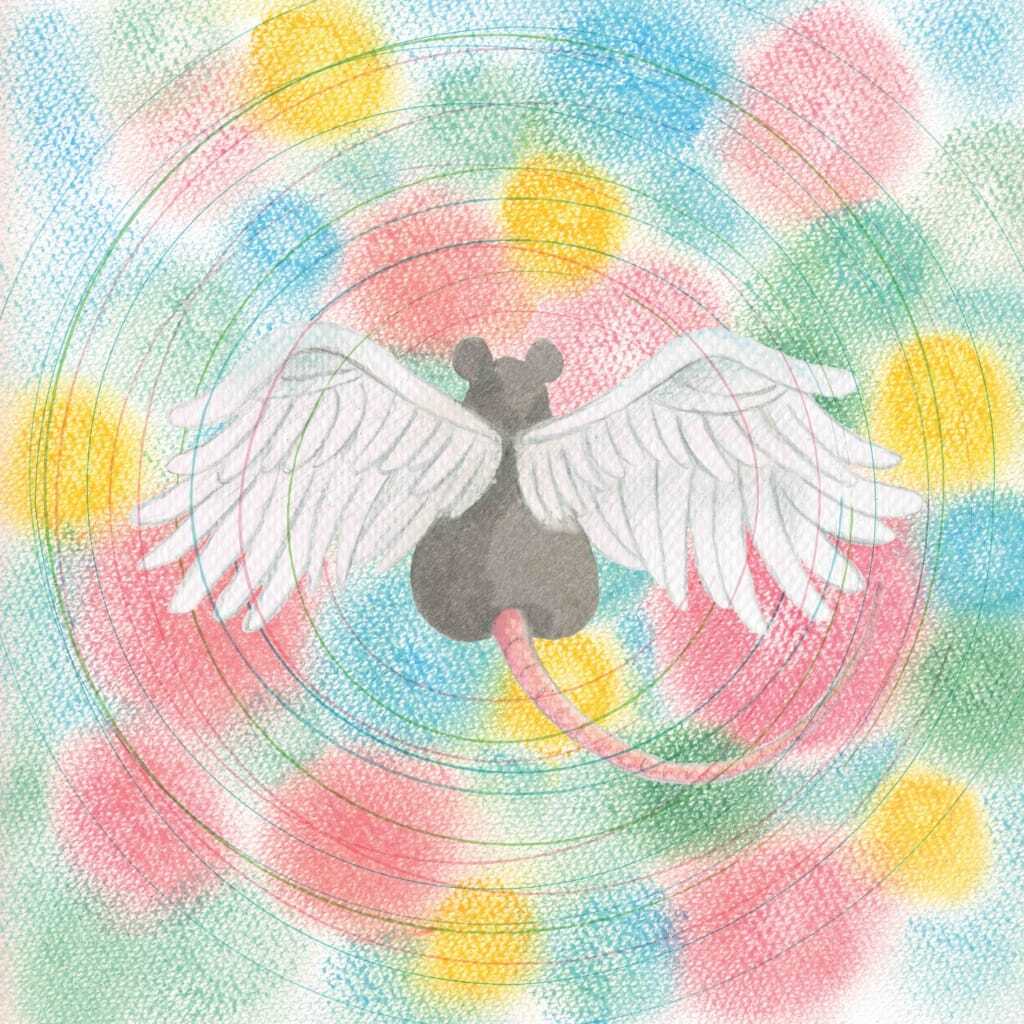
In a new song called “Rat with Wings,” she discusses the flirtation of the animalistic drive to return to a former lover who must have left her scorned.
I saw you yesterday
Hiding beneath the track
Blending in with the trash
Sometimes I miss you still
Even though you were a rat
My mind is with you still
But I’ll never want you back
I’ll never want you back.
Don’t just take my word for it that this songstress is the “cat’s pajamas,” even the well-known bassist from the Red Hot Chili Peppers, whose name is another animal, Flea, has praised the whirly dynamics of this J-Jazz virtuoso. He said she was “deft, articulate, and a mysterious power.”
I was able to snag a few minutes with Mei last week and the below summarizes the more salient elements of our discussion:
Cory:
I just started listening to your music this last week, and I do want to say that I wish I had started earlier. Some say its kind of “an intersection of jazz, indie rock chamber pop.” It’s a real fusion, with perhaps Bossa Nova. Do you know where this fusion originates? Is it something that happens more intuitively or is it something that’s just developed over time?
Mei:
I think it’s intuitive. I think that I grew up listening to and loving and studying different types of music, and so as a result of that, my own music ends up being kind of a blend of different genres and stuff because that’s what I like to listen to and that’s what I’ve studied.
Cory:
When you’re composing, are you thinking in terms of harmonic language first, like jazz theory, or are you more by melody or emotion or narrative?
Mei:
I would say for me, it’s usually first harmony and chords and changes and stuff. Sometimes it’s a guitar lick, but yeah, not only starts on the guitar, and then from there a melody kind of emerges from the chords and then I put lyrics to it last.
Cory:
There’s a delicacy to the arrangements, and how do you think about space and silence within your songs? Because there’s a lot of tempo changes in what I was listening to.
Mei:
Yeah, I guess. I mean, I really kind of just try to do whatever feels natural and if it feels like there needs to be a breath or space, then I’ll take that, and if not, then I’ll just try to keep going and not have space, I guess. But yeah, it’s kind of just whatever feels natural to me.
Cory:
What role does improvisation play in your songwriting and how do you balance it with a more structured approach?
Mei:
Yeah, I guess in terms of my songwriting, I would say not too much improvisation going on because once I write something, then that is probably how I’m going to play it if I decide to keep it that way. But I guess sometimes initial spark for a song could be something that I improvised or something that I learned from someone else’s improvisation that could, were the beginning of a song. And then I guess in terms of performing live, I would say there’s a little more improvisation involved with my band members, and each song is played a little bit differently every time. It’s different drum solo every time, so in that sense of improvisation in the live setting.
…
FYI, there is a live album listing on Spotify that’s pretty good that’s listed as “Mei Semones on Audiotree Live.”
…
Cory:
Your music, it occupies a liminal space, as I was saying, between genres but also between cultures. Do you feel that you are translating, transforming, or perhaps resisting cultural expectations through your art?
Mei:
I dunno, I guess I don’t really think of it that way. I mean, obviously my music is a blend of different genres and different languages and stuff, but yeah, I don’t really think of it as transforming anything or what you’re talking about, but I can see how it would be interpreted that way. But for me, it’s very much just like I’m a person and I am making music and I’m writing songs that I like, and I happen to speak two languages and I happen to like different types of music, and so that’s just what comes out, I guess. But I guess I don’t really think of it too much in that big picture way.
Cory:
Okay. That’s your own flow, right.
What were the albums or artists that made you first realize music could be an expressive language?
Mei:
I think the first band that I really fell in love with in that way would be Nirvana and the Smashing Pumpkins when I was in middle school.
Cory:
Any particular songs of theirs or just in general, that whole grunge vibe?
Mei:
Yeah, I guess. I mean, let me think. For Nirvana, I like a lot of those songs. I remember really liking In Bloom and Dumb, … All Apologies, Heart Shaped Box, stuff like that. Lounge Act too, and then I guess for Smashing Pumpkins, it was more select songs as opposed to their whole discography. I really liked 1979 and what else… Tonight, Tonight; Here Is No Why, Zero, To Forgive. Yeah. I really like that album, Mellon Collie and the Infinite Sadness.
Cory:
Yeah.
FYI, the MTV Unplugged album is probably my favorite Nirvana album because I really loved how they played that old David Bowie tune The Man Who Sold The World, and Adore was always my favorite Smashing Pumpkins album. I only have Nirvana’s Bleach on vinyl. The rest were CD’s, because it was the 90’s.
Pretty cool that that [music]’s still hanging out and getting play time.
So your harmonies, I read somewhere that they recall elements of Maurice Ravel and Claude Debussy, and your phrasing can feel more like Bill Evans. Do you find that you have classical influences as well as the jazz influences?
Mei:
I personally haven’t really studied that much classical music. I mean, when I was really little up until I was 11, I was playing a little bit of classical piano, but I would say I don’t really think I’m influenced by classical music in my writing because I don’t listen to it. I haven’t really studied it, but I can see why people would get that from the music, because my band has a viola player and a violin player, and I think when people hear strings, it’s often they associate that with classical music, so that makes sense to me why they would say that.

Cory:
Your EP was titled Tsukino, which I had to look up, it means “of the Moon,” which reminds me of the Debussy’s Clair de Lune, [which is French for moonlight]. That may be another thing people are reflecting on.
Do you find inspiration in places completely unrelated to music, say food or locations or just meditation?
Mei:
Yeah. I think different locations can be inspiring and different places and different people and memories from my past. Yeah. I would say lyrically I’m inspired by more everyday life and thinking about my memories from my childhood and stuff like that. And so that’s pretty unrelated to music, I would say.
Cory:
Are there themes or emotional questions that you find yourself returning to?
Mei:
I think probably love is definitely a theme. Not necessarily romantic love but just love for life and love for music and friends and yeah, just love in general. And then another theme, at least in this most recent album that I’ve found throughout the album is I guess trusting your instincts and following what you love and what’s important to you. Yeah. I guess as I’m writing, I don’t really think too much about themes or concept or anything like that, but I find that after a song is written or after a project is complete, I look back at it and then I can find some sort of themes and a thread running through it.
–
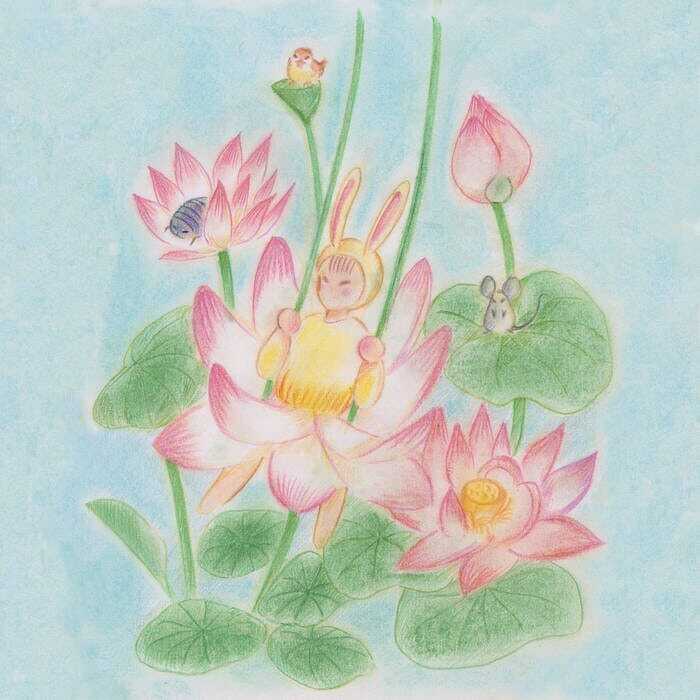
So Animaru, which is Animal, there’s are a lot there. There’s several songs in the catalog that reference different animals or bugs, like Zarigani, a Crayfish; a new variety of rat, a “Rat with Wings”; a rhinoceros beetle, the Kabutomushi; and Dangomushi. It came up as “pill bug,” but I knew them as a kid as “Rolly Pollies” but their scientific name is Armadillidium vulgare.
…
Cory:
What is something you’re currently working on that terrifies and excites you in equal measure?
Mei:
I don’t think that I’m particularly terrified in any way currently. I guess I’m very lucky to be in a space where I feel safe and comfortable, but in terms of stuff that I’m excited about, I mean, I’m just excited to have some time to practice the guitar and I get better at my instrument and learn new songs and transcribe and stuff like that, and hopefully take that into writing my next project and the next songs.
Cory:
So I heard there was a song that came up that you did a collaboration with John Roseboro [called] “Waters of March.” How long have you guys been working together and are you looking at doing any future additional collaborations?
Mei:
Yeah, I think, I’m trying to remember. I think we first met a little bit after I moved to New York in the summer or fall of 2022 probably, and we’ve just been friends since then and we’ve released a few different songs together, and I’m sure that we’ll probably keep doing that for the rest of our lives, I hope.
Cory:
Yeah, I really, I liked that one. I’ll have to check out the others. There was a song that I listened to on the way in this morning, Tora Moyo, and it had this sound that I had heard in some of those other Bossa Nova songs. I never know what that sound is. It’s like a squeaking in the background, and I never know if it’s actually some instrument that’s making a squeaking sound or if it’s somebody making a high pitch sound. I don’t know.
Mei:
I think you’re probably talking about this instrument called the cuica. It’s like a Brazilian sound.
Yeah. It kind of does that kind of sound.
Cory:
Yeah, exactly. Very, very fun [sounding] instrument.
I really dug hearing that, and then the guitar picking was excellent near the end of that one, so good job.
The other thing I was thinking in current songs I hear on the radio, the mashup that came to mind was, a song that Megan Thee Stallion did with Yuki Chiba. Are you ever looking to maybe do a rap-jazz fusion?
Mei:
I’m not opposed to it. I think if it’s the right artist and it makes sense. Then it’s good music then. Yeah, I’m definitely open to it.
Cory:
You have this other song, Dumb Feeling, and there’s a few lines in there.
“This is a dumb feeling.
There’s something I like about it.
This is a numb feeling.”
Is there something you can talk about that got you into that space?
Mei:
[It’s] interesting because people, obviously, everyone interprets it differently in their own way, and I think that’s really cool. But for me personally, the song is actually just about being happy and being content, and just being really happy with where I am and who I am and my friends and my band and my music and stuff, and living in New York and just really being grateful for all of that. So when I say a dumb feeling and a numb feeling, I’m really talking about, for me, if I’m really, really happy, I gets to the point where I’m like, I don’t feel dumb, but it almost feels like, okay, I need to come back to reality a little bit, if that makes sense. If I’m having a great day and I’m in a really good mood, might be like, okay, I need to come back to reality, because it’s great to be happy, obviously, but it’s good to also maintain awareness of the world and everything. Yeah, I guess that’s kind of what it’s about. It is just being happy can also be kind of a dumb, silly feeling for me personally.
Cory:
Alright, one more. So you have this other song called “Norwegian Shag,” and I had to look that up too. I found out that that’s a type of mellow Virginia pipe tobacco. When I heard the term shag, I was thinking of something else more like an Austin Powers reference, but yeah. So do you smoke pipe tobacco [when you play] or is that just something that maybe other band mates do to get “into the zone,” as it were?
Mei:
Yeah, I don’t smoke anymore. I don’t think anyone in the band really smokes tobacco at this point, but I used to smoke cigarettes when I was younger and when I got to college, it was the cool and more affordable thing to just buy rolling tobacco and just roll your own cigarettes instead of buying packs. And so that was what that song is about, or not what the song is about, but where the title comes from. There was a period of time in college where I was buying that type of tobacco to roll cigarettes with.
Cory:
Oh, okay.
You also referenced a tune by Jaco. Is that Jaco Pastorius with Weather Report?
Mei:
Yeah.
Cory:
Was there a particular song you’re referring to?
Mei:
Yeah, Portrait of Tracy. It’s really beautiful.
Cory:
All right. I’ll have to check that out.
From all of us in San Diego, thank you for taking the time to chat with me. I really dig the music. It’s such a chill [vibe]. You can [put] that on, and you can just be just in a good mood, and so thank you for making such uplifting sounding feeling music. It’s really great!
I hope you have a great tour and I look forward to catching your show when you’re here in San Diego.
Mei:
Thank you so much.
Dual Language Singer Songwriter, Indie-J-Pop-Jazz-Bossa-Nova-Fusion Artist, Mei Semones is playing at the Quartyard on Wednesday, July 16
The Quartyard is located near East Village in Downtown San Diego on the southeast corner of Market Street and 13th Street. Look for a couple of container-units set up as walls around the perimeter of an old parking lot. That’s the spot.
Check out this show if you don’t already have plans! It’ll be a chill pill bug, ya dig!