January 10, 2026
Americans take great pride in their artists, museums, and creative industries. Yet compared with much of the world—especially Europe—the United States invests remarkably little public money in the arts.
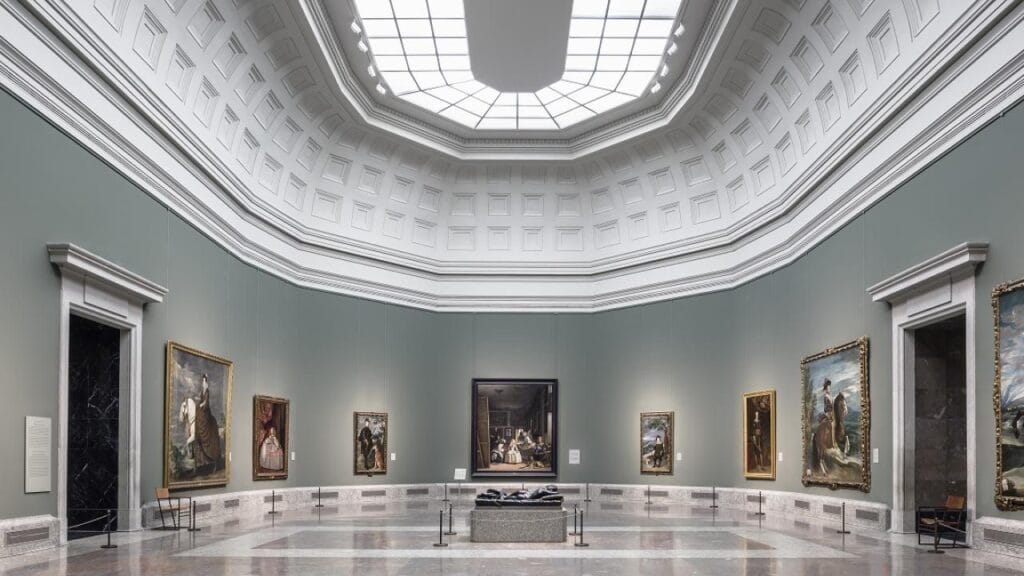
Spain offers a telling example. In 2024, the Spanish government set a record by allocating more than €14 million for acquisitions for major public collections, including the Prado and the Reina Sofía. Across the European Union, government spending on culture generally hovers around 1.2 percent of GDP, with some countries approaching 2 percent—evidence of a deeply rooted belief that art and cultural heritage are public goods worthy of sustained support.
The contrast with the United States is stark. Federal funding for the arts has long been modest, averaging roughly $200 million a year for the National Endowment for the Arts—about three-thousandths of one percent of the federal budget. That figure reflects a decades-long political debate over whether public support for the arts is “essential” or merely “optional.”
Today, that debate has reached a breaking point. The administration’s proposed 2026 budget calls for eliminating the National Endowment for the Arts altogether, along with related agencies such as the National Endowment for the Humanities and the Institute of Museum and Library Services. Even before Congress has acted, hundreds of arts grants have reportedly been canceled or withdrawn, in some cases mid-project, leaving theaters, museums, publishers, and community arts organizations scrambling to cover sudden shortfalls.
These cuts are not abstract line items. They have real consequences for real communities. Many organizations rely on modest NEA grants to pay artists, support educational outreach, or present local festivals. In numerous cases, grants have been terminated with little explanation beyond claims that projects no longer align with “new federal priorities,” according to agency communications.
From Houston to Buffalo to Iowa City and beyond, arts groups that contribute to civic vitality are confronting financial gaps that threaten performances, exhibitions, and public engagement. What is at stake is not just a season of theater or a gallery opening, but the broader creative ecosystem that sustains jobs, animates public spaces, and nurtures the imagination of future generations.
This matters economically as well as culturally. Arts and cultural activity accounted for an estimated 4.2 percent of U.S. GDP in 2023—more than a trillion dollars in economic output—yet public investment has lagged far behind that contribution.
Spain and other European nations demonstrate what sustained public commitment can achieve: lively city centers, world-class museums, thriving festivals, and creative industries that draw talent and tourism. These countries treat culture not as an afterthought, but as national infrastructure.
If the United States chooses to dismantle its cultural institutions rather than strengthen them, we risk more than economic loss. We risk eroding the shared cultural life that binds citizens together.
Art is not a luxury. It is as vital to a nation’s health as bridges, schools, or libraries. Countries that invest in it reap enduring returns; those that abandon it may find their creative capital slowly—and quietly—disappearing.